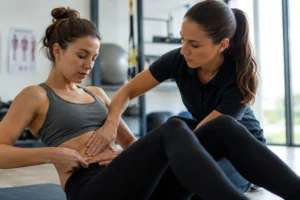

Female incontinence is more common than many realise, yet it often goes untreated. It can be due to feelings of shame or embarrassment. The good news is that a variety of effective treatments can help restore confidence and improve quality of life. Lipo360 offers advanced, non-invasive therapies alongside lifestyle and medical approaches, making it easier for women to choose the right path toward achieving their desired results.
Please speak to our team today! Call 03300 100 576
What Lifestyle Changes Can Help Manage Incontinence?
Making minor adjustments can significantly improve the management of incontinence. Reducing caffeine and alcohol, maintaining a healthy weight, and scheduling regular bathroom breaks can all help. Incorporating pelvic floor exercise. Doing your routine strengthens the muscles that support bladder function.
The Lipo360 team often guides patients through these changes to maximise results.
What Non-Invasive Treatments Are Available for Incontinence?
For women seeking to enhance their appearance without undergoing surgery or experiencing downtime, non-invasive treatments are a great choice. Peil also recommends options such as pelvic floor physiotherapy, biofeedback therapy and electrical stimulation to strengthen muscles that support the bladder.
Fortunately, modern innovations like electromagnetic chair therapy can stimulate several thousand pelvic contractions in just one session, rebuilding strength almost effortlessly.

When Should Medical Intervention Be Considered for Incontinence?
If symptoms continue despite lifestyle changes and non-invasive treatments, a healthcare provider may suggest medical interventions. Prescription medications can help relax bladder muscles and reduce overactivity, while pessary devices provide physical support. All our treatments are FDA-approved.
Minimally invasive surgeries, such as sling procedures, are often considered when Bladder leakage significantly affects daily life. Lipo360 ensures clients receive the proper referrals when advanced medical care is needed.
Can Physiotherapy Improve Incontinence Recovery?
Yes. Specialist-led physiotherapy can be transformative, especially for stress-related incontinence. Pelvic floor training strengthens muscles, while biofeedback provides real-time feedback on muscle engagement.
Over time, these methods restore bladder control and reduce leakage. Lipo360 works with trained professionals to integrate physiotherapy into personalised care plans.
LIPO360 EMS Chair Can Help with Urinary Incontinence
How Does Mental Wellbeing Affect Incontinence?

Bladder leakage impacts more than just the body — it can also affect emotional health. Many women experience embarrassment, anxiety, or social withdrawal. Support groups, counselling, and therapy can help address these challenges. Lipo360 care includes emotional support to ensure both mind and body benefit from treatment.
What Makes Lipo360’s Approach Different?
While many clinics limit their services to a single type of incontinence treatment, Lipo360 takes a comprehensive, personalised approach that addresses the whole picture. Learn About Overactive Bladder Treatment.
Every woman’s body, lifestyle, and experience with incontinence is unique, which is why each treatment plan is carefully tailored to target both the symptoms and the root causes.
Lipo360: The journey begins with an in-depth consultation to explore your health history, daily habits, and personal goals. From there, advanced non-invasive technologies — including electromagnetic chair therapy — are combined with targeted pelvic floor strengthening, customised nutritional advice, and lifestyle coaching designed to support overall wellbeing.
Frequently Asked Questions
Q.What are the leading causes of female incontinence?
Female incontinence can be caused by childbirth, menopause, ageing, obesity, or pelvic muscle weakness.
Q.Can lifestyle changes help reduce incontinence symptoms?
Yes, weight management, fluid control, and avoiding bladder irritants can significantly improve symptoms.
Q.How effective is pelvic floor physiotherapy?
Pelvic floor physiotherapy is highly effective in addressing stress incontinence by strengthening the muscles.
Q.Is surgery the only long-term solution for incontinence?
No, many non-invasive treatments, such as Lipo360 EMS chair therapy and biofeedback, can provide lasting results without the need for surgery.
Q.When should I see a doctor about incontinence?
You should seek medical advice if you are concerned that lifestyle changes are significantly impacting your daily life.
Final Thoughts
You can lead an everyday life with incontinence. Today, there are numerous lifestyle adjustments you can make, along with more advanced non-invasive therapies than ever before, as well as some effective medical options for treatment, so that every woman has a path.
Opting for a nurturing clinic like Lipo360, one that guides you through the journey both physically and emotionally, really makes a significant difference. With proper care, you can regain bladder control, increase your self-confidence, and lead a more comfortable, confident, and fulfilling life.
For More Information Call Us On This Number 03300 100 576